
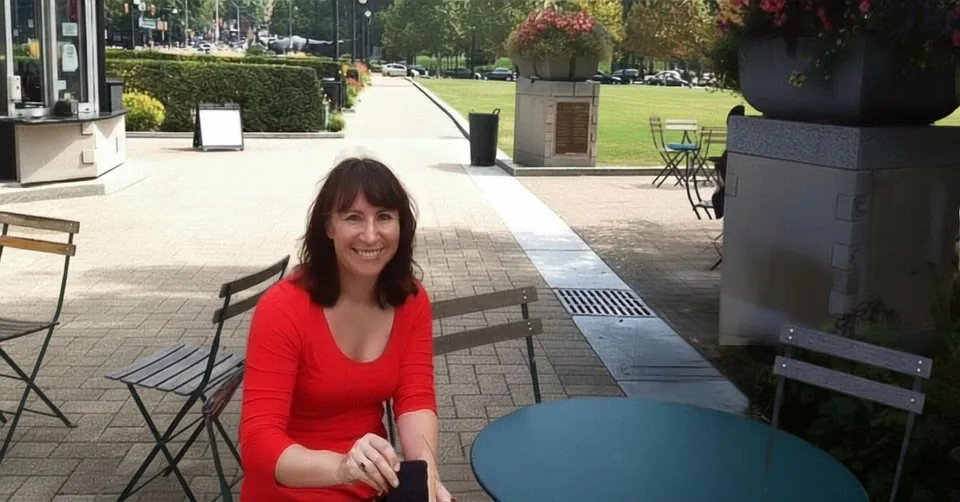
Your first few weeks after a transplant are critical. Here are a few tips and pieces of advice that I hope you'll find helpful.
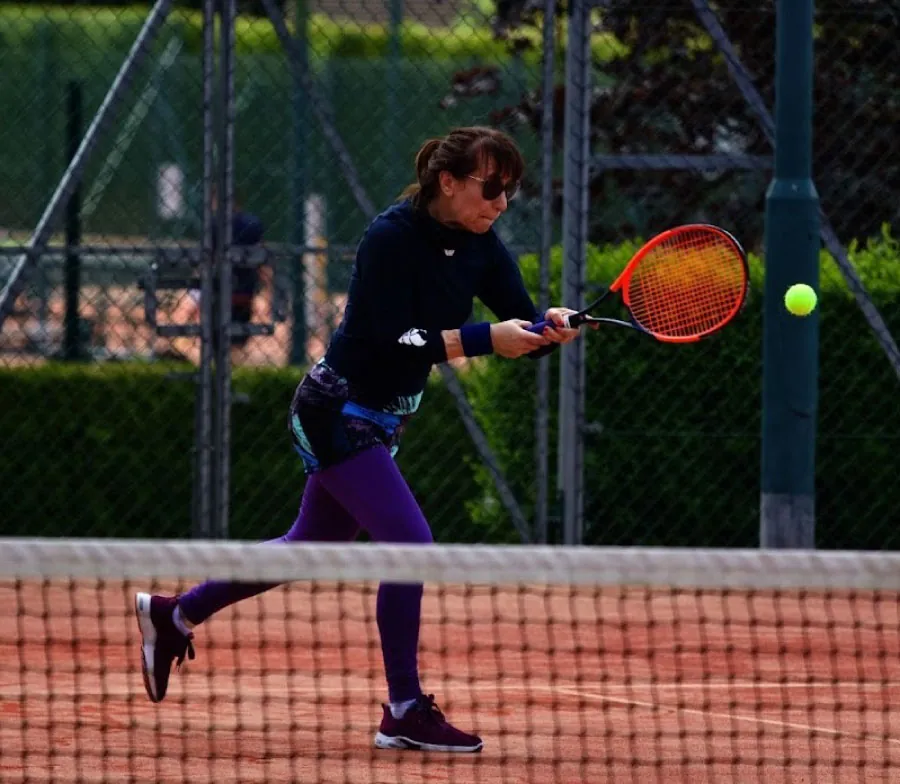
Many transplant recipients gain weight after surgery. Feeling better, eating more, and medications such as steroids and tacrolimus can all contribute. Since many recipients develop diabetes or elevated blood sugar after transplantation, regular exercise and a balanced diet become an important part of protecting your new kidney.
I've played tennis most of my life, but after my transplant I appreciated it more than ever. Feeling healthy again made me want to spend more time on the court, and it became a natural way to support both my physical and mental well-being.
Transplant Games of America is an excellent opportunity to compete and meet others who have shared a similar journey. If you're interested in international competition, the World Transplant Games bring together transplant recipients from around the world every two years.
For the first few months after my transplant, I tried to avoid crowded places whenever I could. That meant politely saying no to parties, celebrations, concerts, and other large gatherings.
I also avoided public transportation whenever possible, since buses, trains, and subways place you in close contact with many people in enclosed spaces.
When I went skiing, I chose to avoid standing in long lift lines with dozens of people packed shoulder to shoulder. Instead, I'd ski back down the mountain and catch the lift when the line had cleared.
If I couldn't avoid a crowded place, I wore a mask. It gave me an extra layer of protection and helped reduce my risk of getting sick.


During the first few months after your transplant, it's best to avoid swimming in lakes, rivers, as well as hot tubs and pools. These waters can harbor bacteria, viruses, and parasites that may cause serious infections.
After your transplant, a small ureteral stent is placed between your new kidney and your bladder. Its purpose is to help the connection heal properly. The stent is usually removed 8 to 12 weeks after surgery.
Until it is removed, avoid activities that involve excessive twisting, heavy lifting, or strenuous movement. If your transplant was performed away from home, you will likely need to return to the transplant center for stent removal. The procedure is brief. While it can be uncomfortable, it is usually not painful. Some centers also offer sedation if needed - I highly recommend.
One of the long-term realities of life after transplant is an increased risk of skin cancer. Immunosuppressive medications weaken your immune system's ability to detect and destroy abnormal skin cells. Studies show that after 20 years, more than half of transplant recipients will have developed at least one skin cancer.
One piece of advice I strongly recommend is to establish care with a dermatologist soon after your transplant and schedule regular skin examinations. Detecting skin cancer early makes treatment much simpler and far more successful.
When you’re at the beach, wear a hat, sunscreen and stay in shade whenever possible.
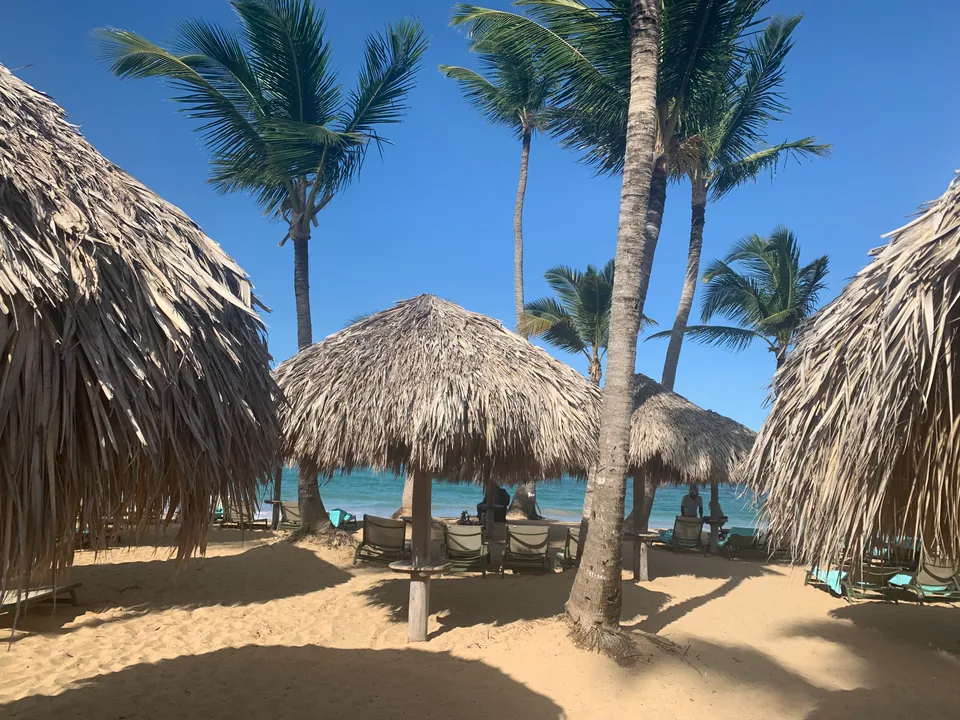

Traveling after a transplant takes a little more planning, especially if you're crossing multiple time zones. I always carry more medication than I expect to need in case of travel delays, and I never pack my immunosuppressive medications in checked luggage—they always stay with me in my carry-on.
Long-distance travel to places like Europe or Asia can make it challenging to keep your medication schedule consistent. If you're staying for several weeks, your transplant team may recommend gradually shifting your medication schedule by an hour or two each day until it matches the local time.
For shorter trips, it may be simpler to continue taking your medications on your home schedule, even if that means setting an alarm and waking up during the night.
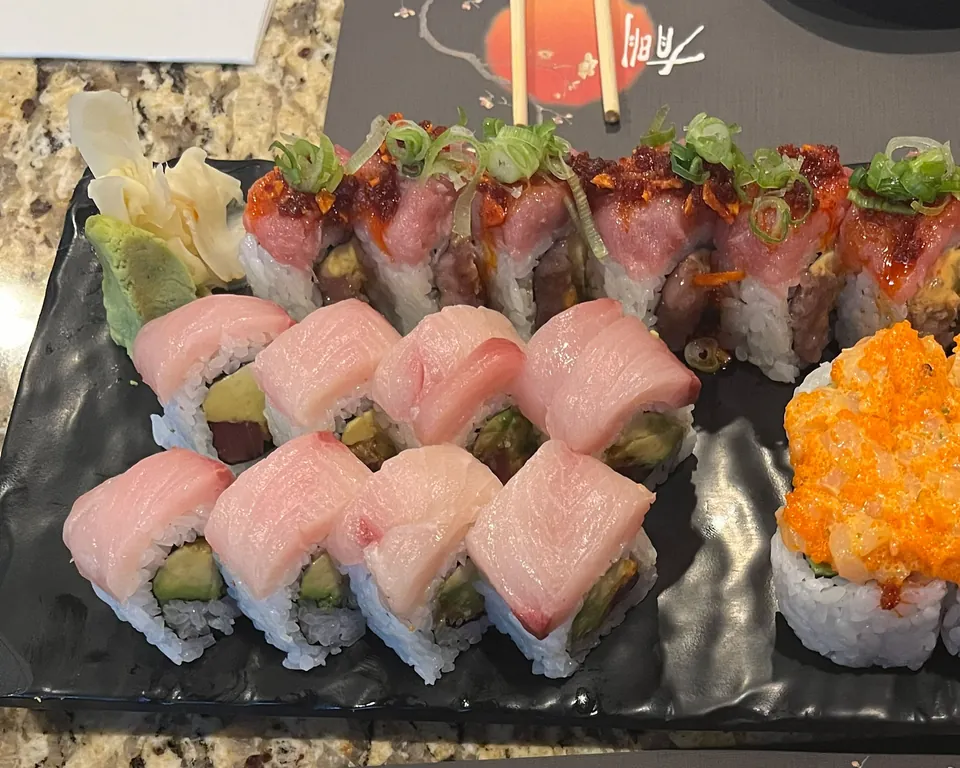
After a transplant, you're more vulnerable to foodborne illness. Severe food poisoning can lead to prolonged digestive problems and may prevent you from keeping your anti-rejection medications down. Raw sushi can also contain harmful bacteria, viruses, and parasites.
Grapefruit juice has been reported to increase the blood level of tacrolimus and should therefore be avoided before the blood test. Grapefruit juice itself is not harmful as long as you are confident it left your body before your scheduled blood test or your bloodwork results could be inaccurate.
It's best to avoid buffets after your transplant. Food is often left out for long periods and served by many people, which can increase the risk of foodborne illness.
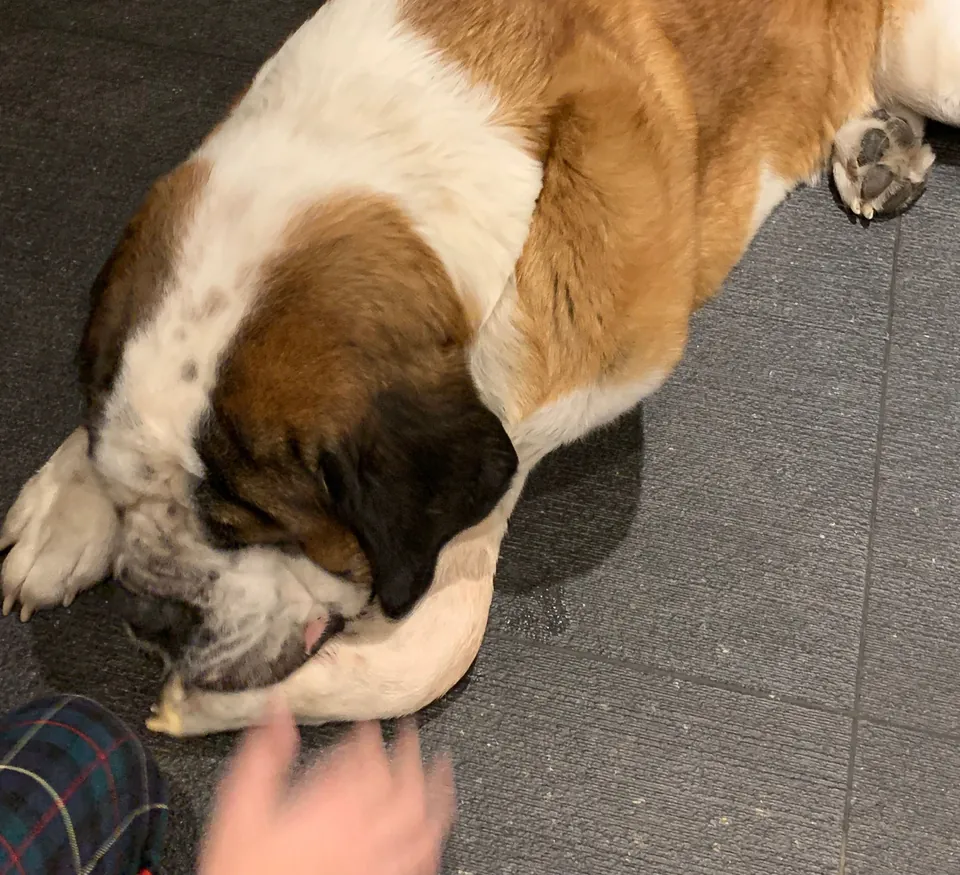
One of the questions I had after my transplant was whether it was still safe to be around pets. The answer is yes—but it's important to take a few extra precautions.
I recommend avoiding petting zoos, petting farms, and other places where many animals come into contact with visitors. Even healthy-looking animals can carry bacteria, parasites, or other germs without showing any signs of illness.
One simple habit that's well worth adopting is washing your hands thoroughly with soap and water after touching or petting animals.
As transplantation medicine progresses, transplant recipients make a speedier recovery.
For the first couple of days after the transplant, it feels as though you've been through harakiri, with salt rubbed into the wound afterward. The physical pain is undeniable. Yet at the same time, your mind becomes astonishingly clear. It's as if you've stepped out of a smoky room and taken your first deep breath. The constant mental burden disappears. You stop worrying about your future. You stop obsessing over the problem that has consumed your life for years.
Not today. And, hopefully, not for a long time to come. If you are out-of-town and travelled to get your transplant, you will fall in love with your new home away from home. That's the city where you are born again.
Book a Call